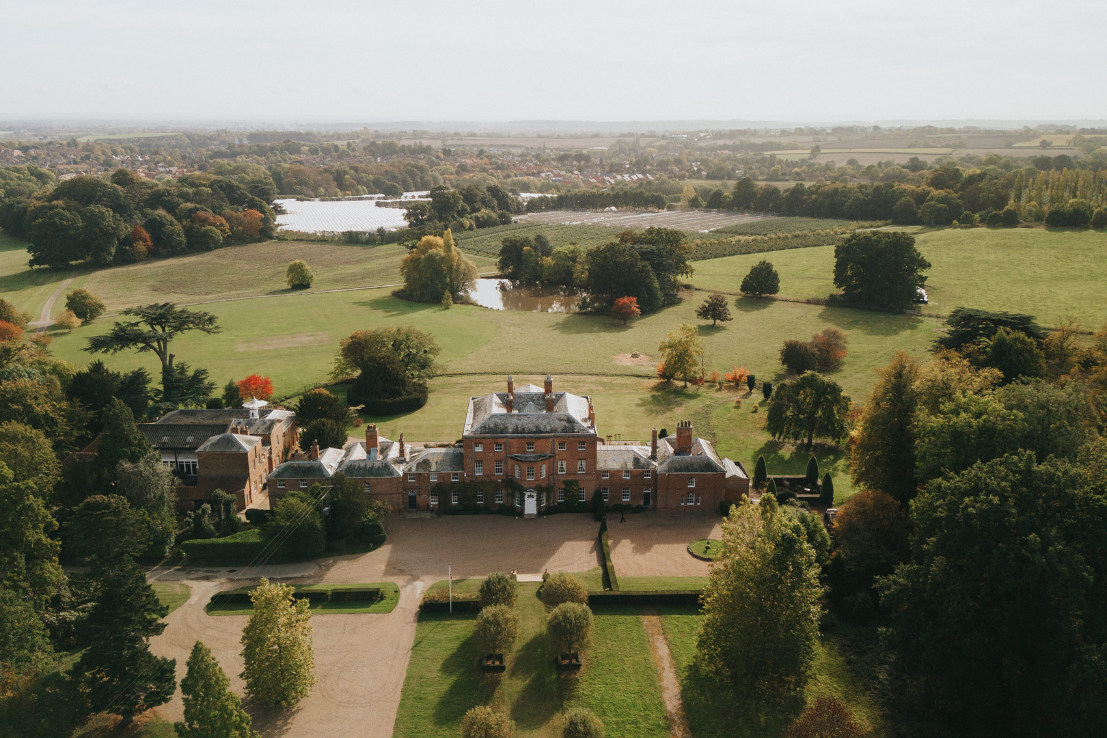
A cherished country estate in the heart of Nottinghamshire, Norwood Park offers an elegant setting for weddings, celebrations and memorable stays.
Get in Touch
Connect with Us
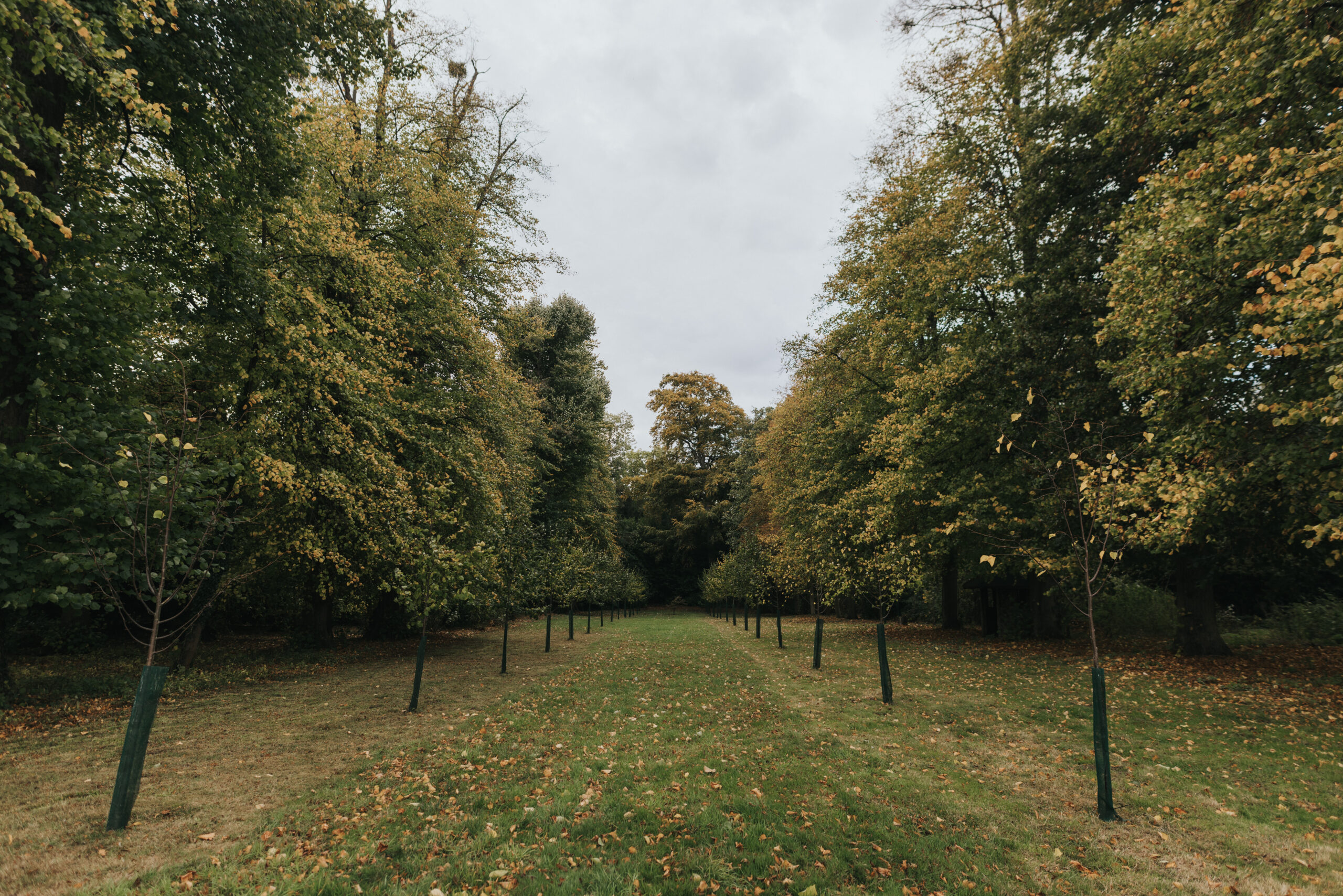
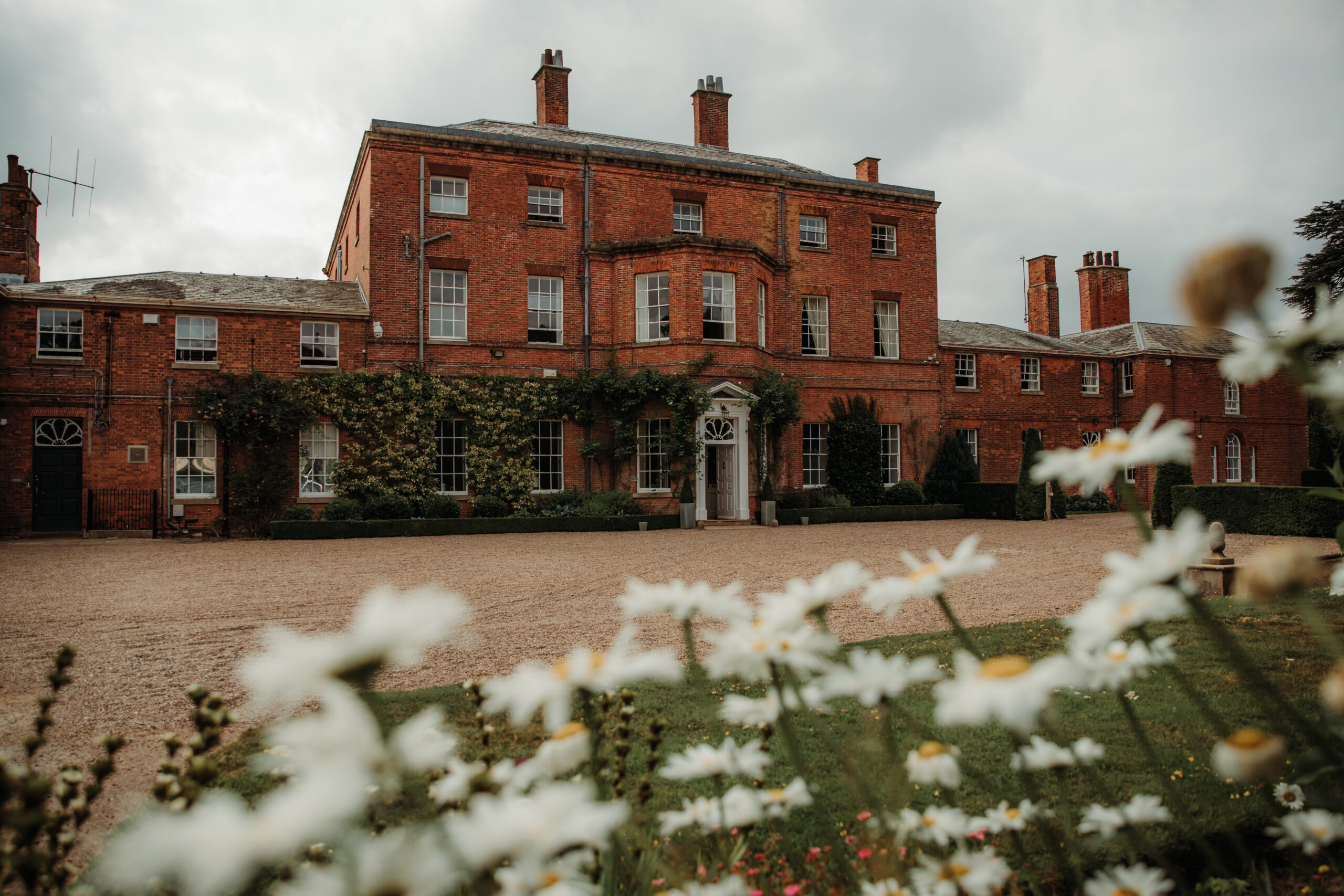
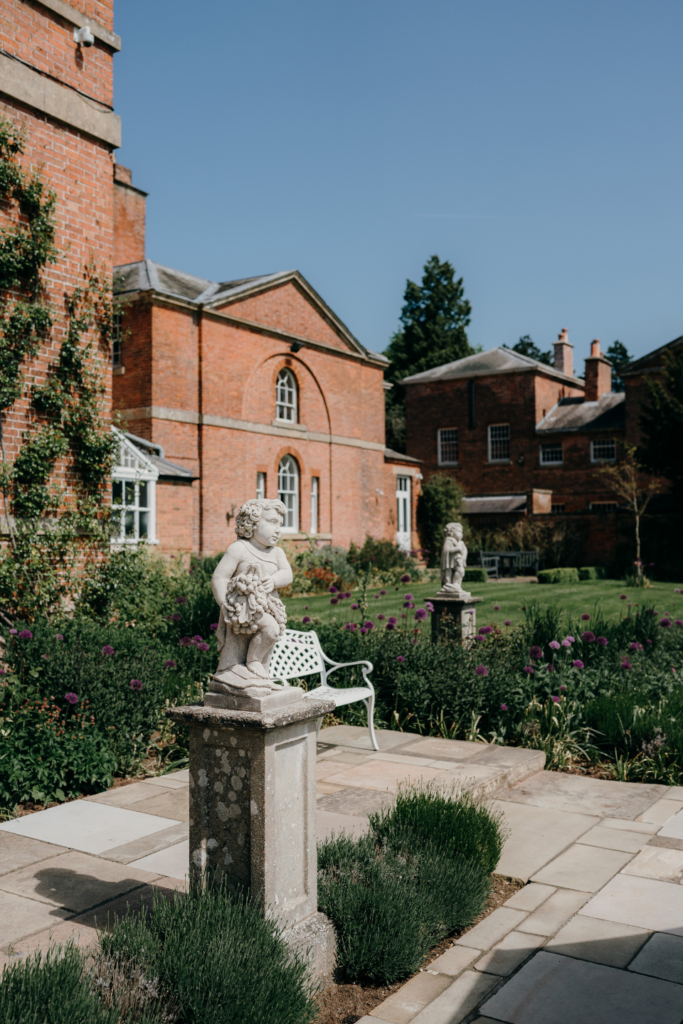
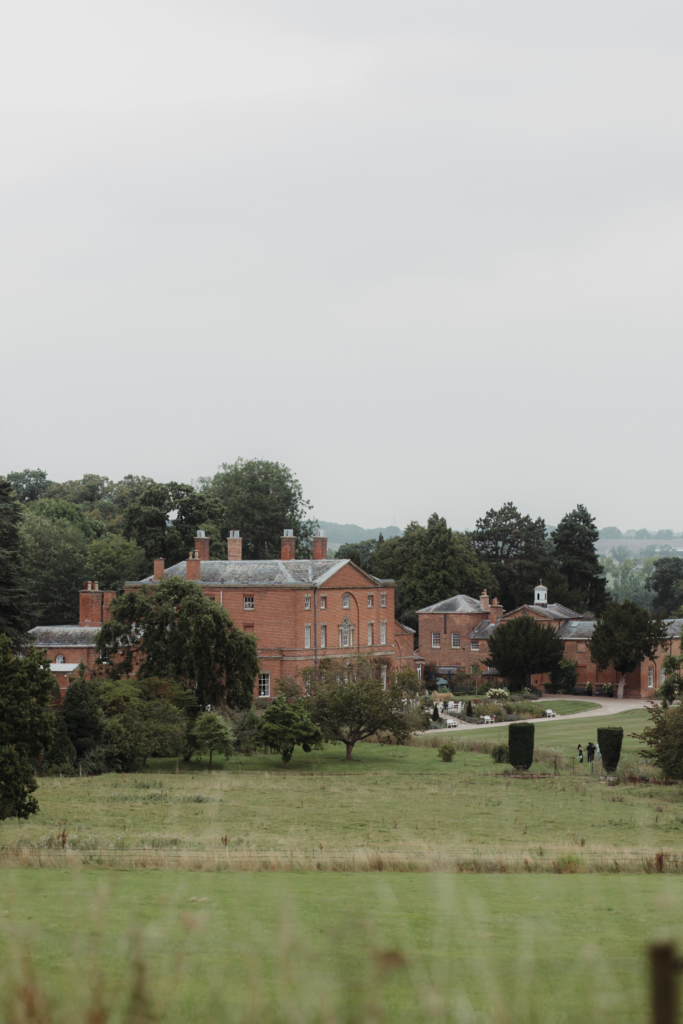
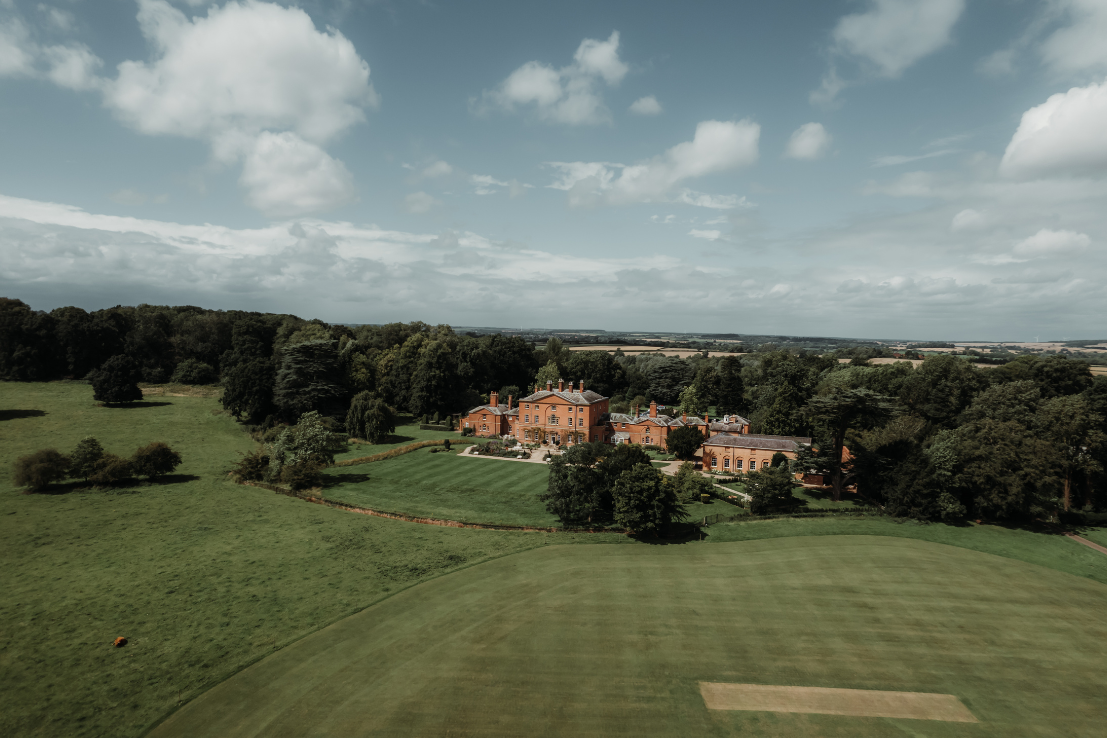
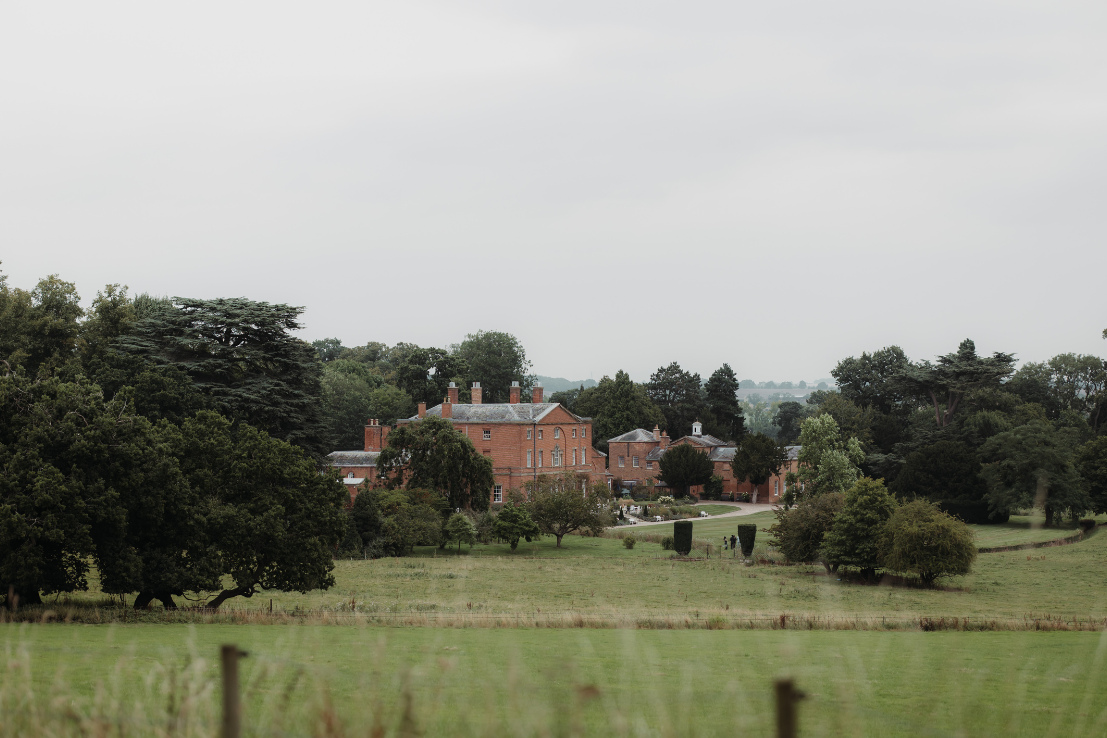
With over 100 acres of grounds, Norwood Park’s grounds have a history dating back to medieval times, when the Estate was part of a series of deer parks. When the house was rebuilt in the 18th century, work also began on the gardens, our impressive lime tree avenue was planted and the serene middle pond was created to add character to the landscape.
Discover our beautiful grounds and see what makes the Norwood Park estate so unique. From the colourful orchards to our pristine cricket ground, and from the serene lakes to the rolling hill views. We’ve pulled together a list of some of our highlights to inspire you on your next visit.
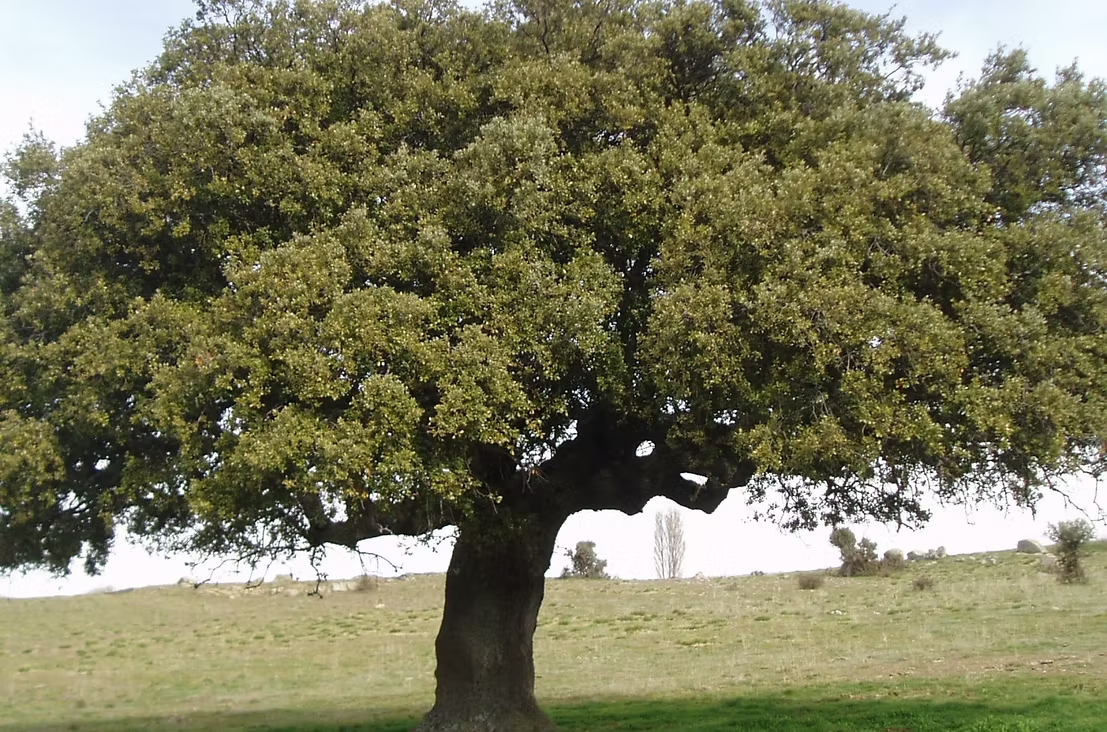
There are no finer examples of English Oaks than those relics from the original North Wood. One Peduncular Oak, more than 600 years old, occupies an area of 1/8 acre. The girth of the Oak in the corner of Norwood Park is 27 ft. It is completely hollow and inhabited by an owl. Since receiving tree surgery some forty years ago the crown has revived vigorously.
Replanting within Norwood Park was undertaken in the 70’s with specimens propagated from the acorns of two enormous living specimens.
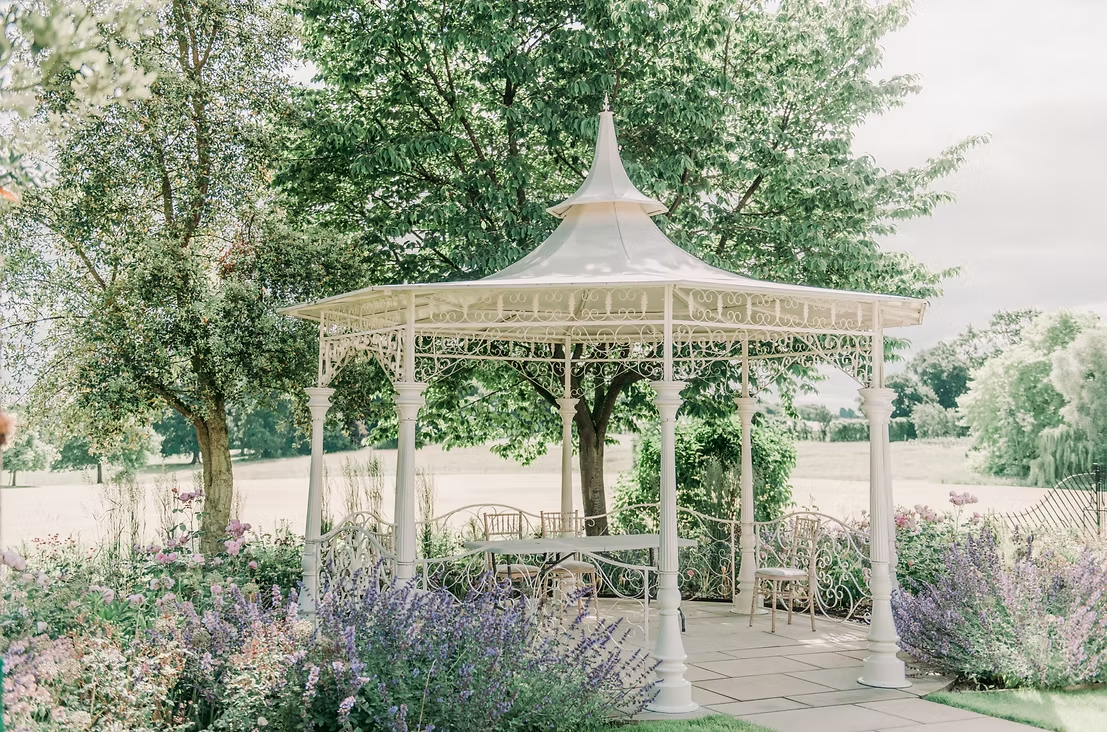
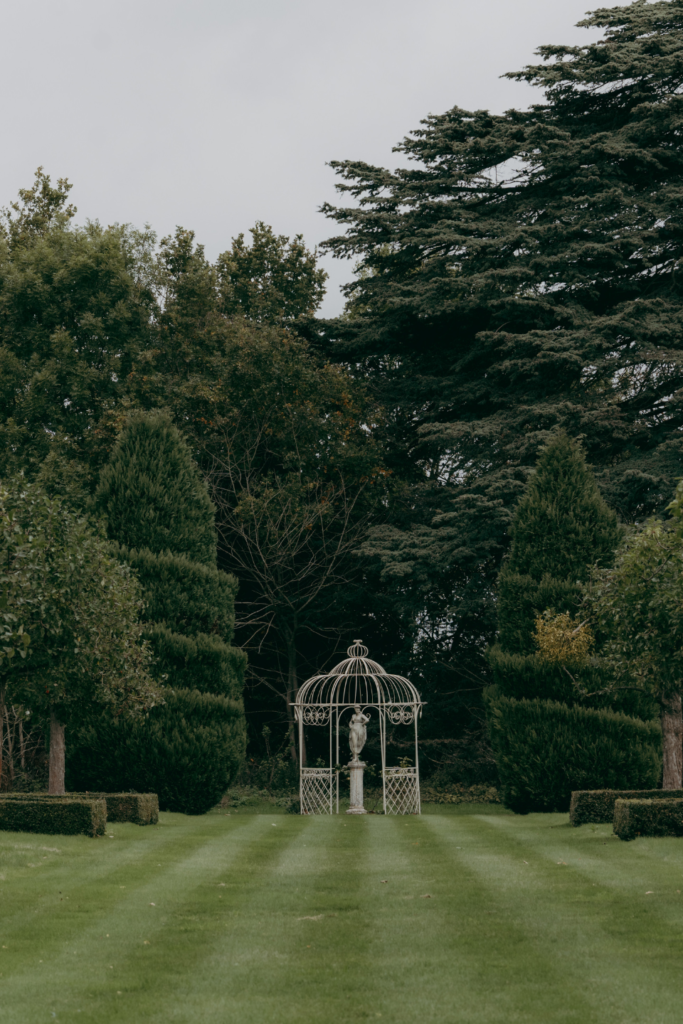
The Bandstand is the perfect spot to share your wedding vows on a summers’ day. With bright blue skies above and the cricket green and lake in the backdrop, the spot is ideal for a quintessentially British Wedding.
With beautiful balustrades of swirls, slender columns, and a roof in a classic carousel shape, the Starkey Bandstand is a deeply romantic space to hold your wedding ceremony.
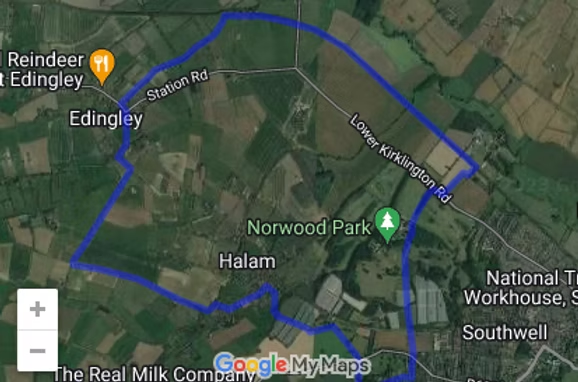
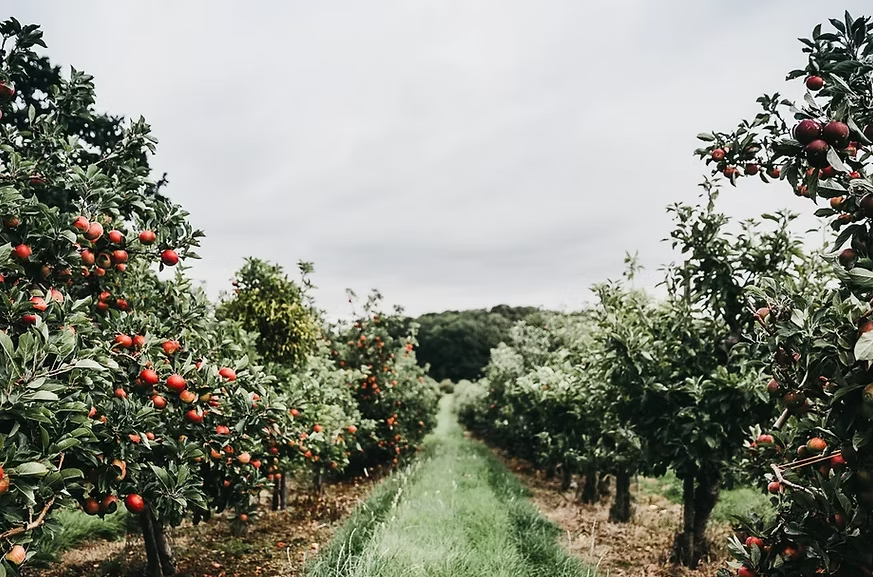
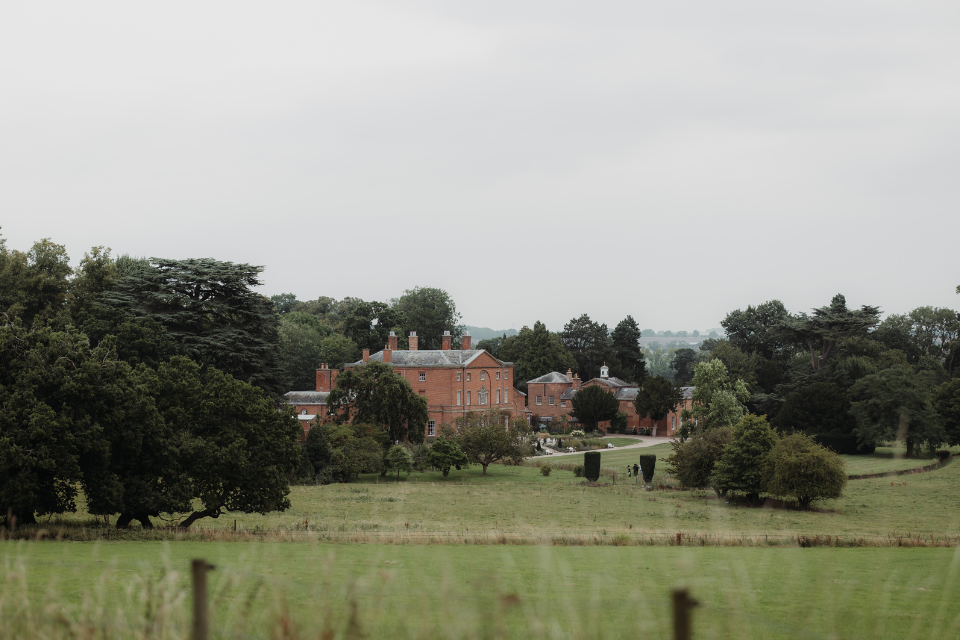
There is a public footpath that runs through the estate, taking a route through the Bramley Apple Orchards to the Golf Club House. Much-loved by locals, this route allows you to take advantage of spectacular views of the house in the distance. Access to this can be found on Lower Kirklington Road and Halam Road.
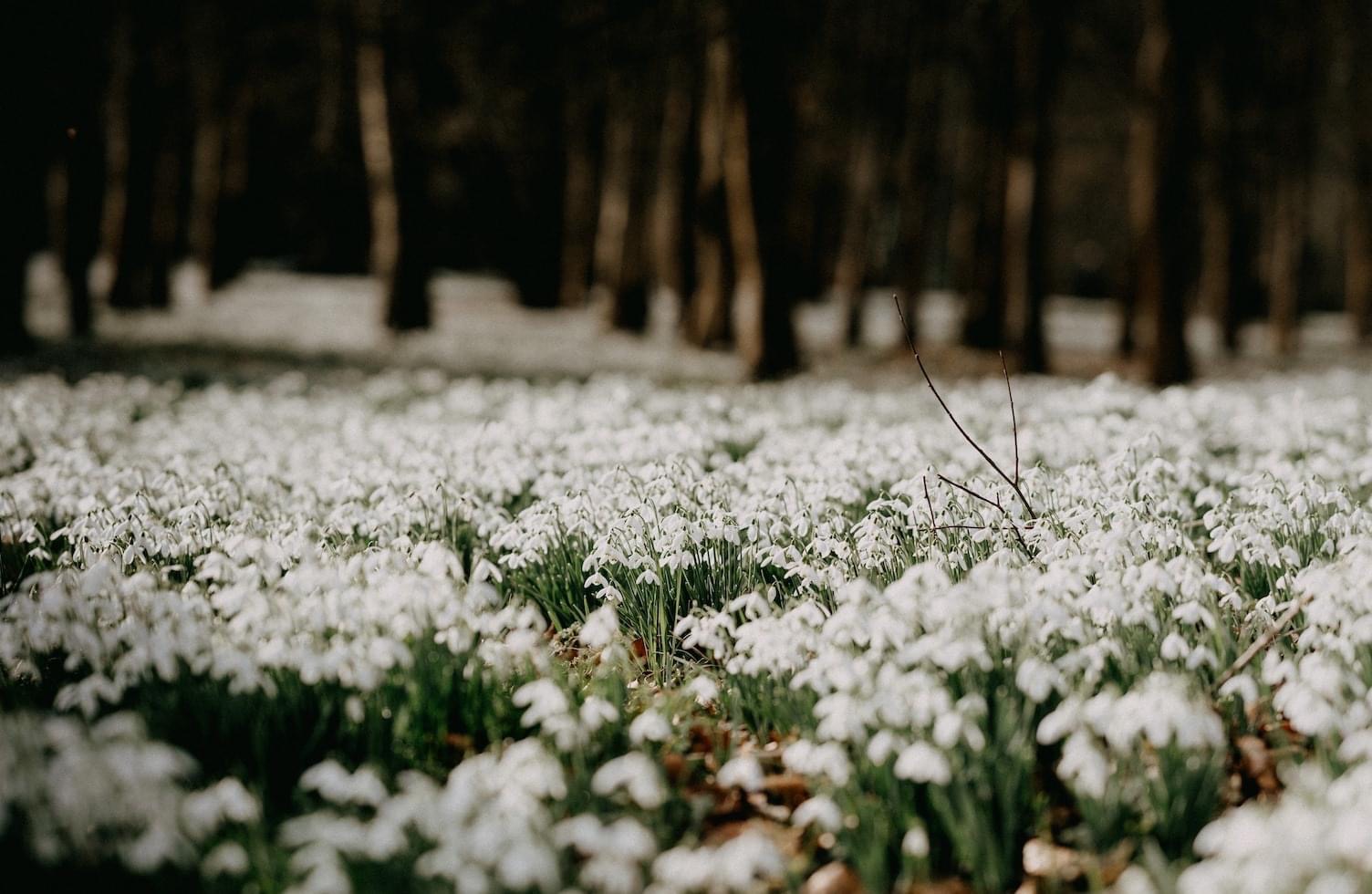
Our woodland area, which is adorned by snowdrops in spring and other wildflowers throughout the seasons makes the perfect photo opportunity. Surrounded by natural beauty, take a trek from the main house through the treeline and up to The Temple.
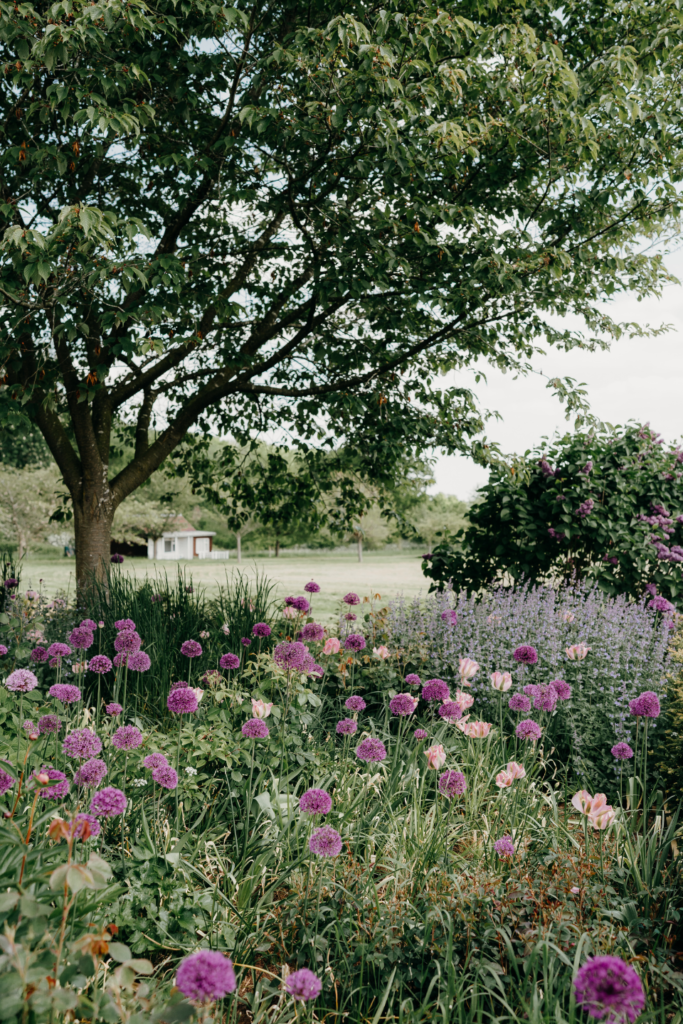
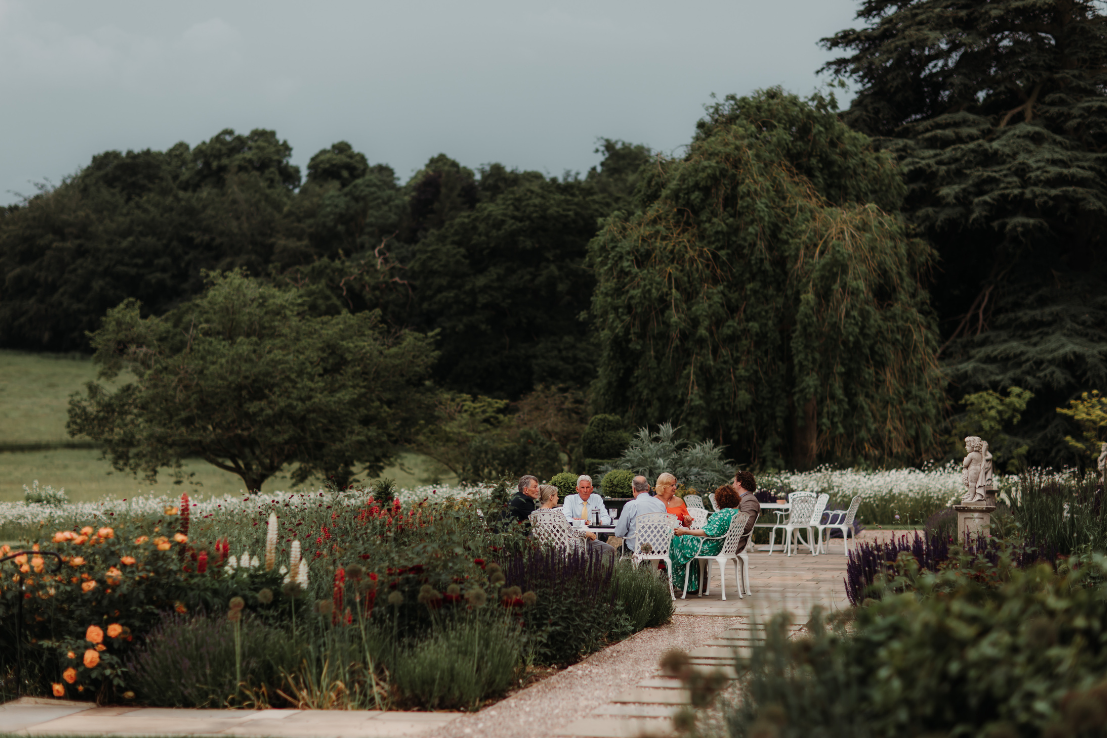
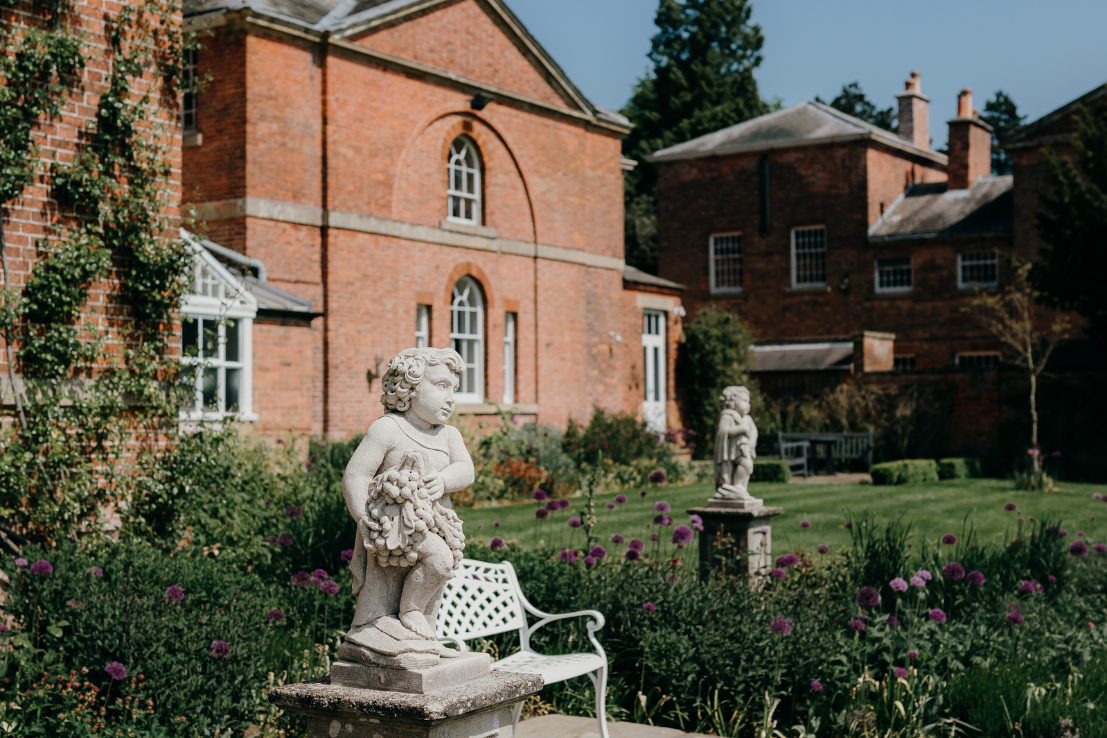
Our Head Gardener has worked tirelessly over the years to plant over 30,000 new bulbs within the grounds of the estate. During spring, you will see the emerging tulips, bluebells, camassias, and find poet’s daffodils for a riot of seasonal colour.
Our Snowdrop Walk, hosted each year in early spring, is delivered in partnership with the National Open Garden Scheme to help raise money for some of the UK’s best loved charities.
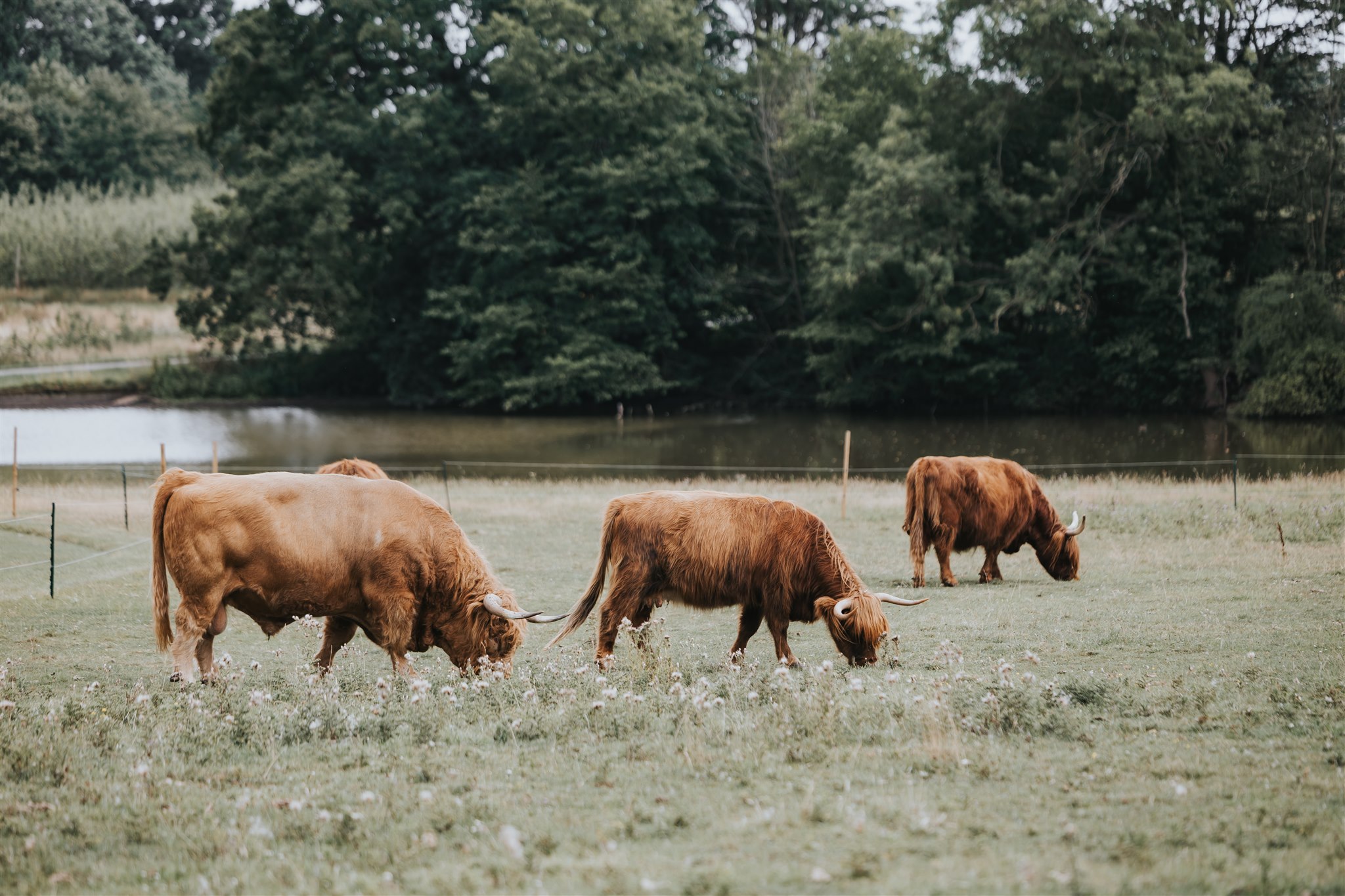
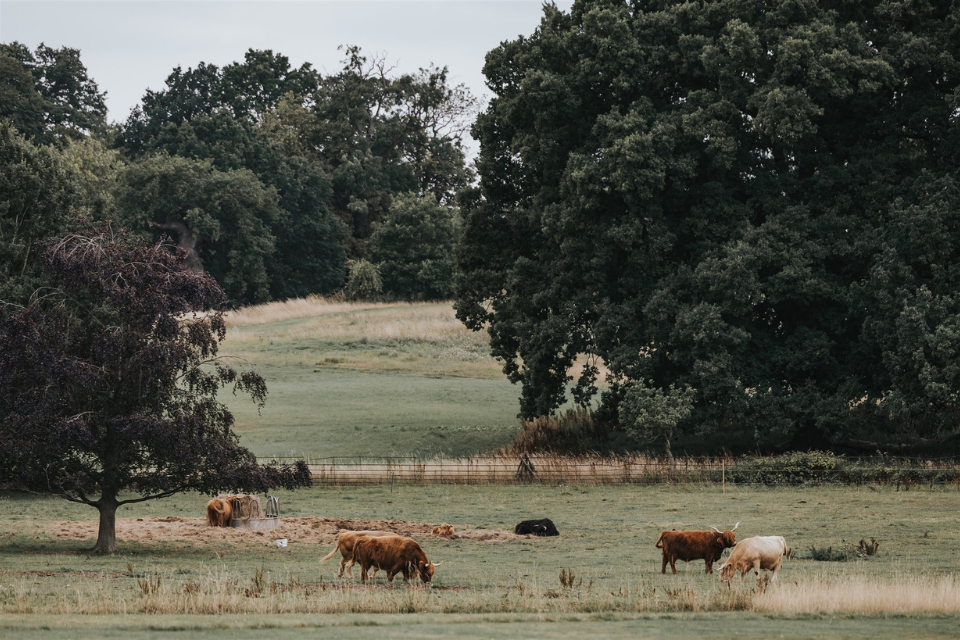
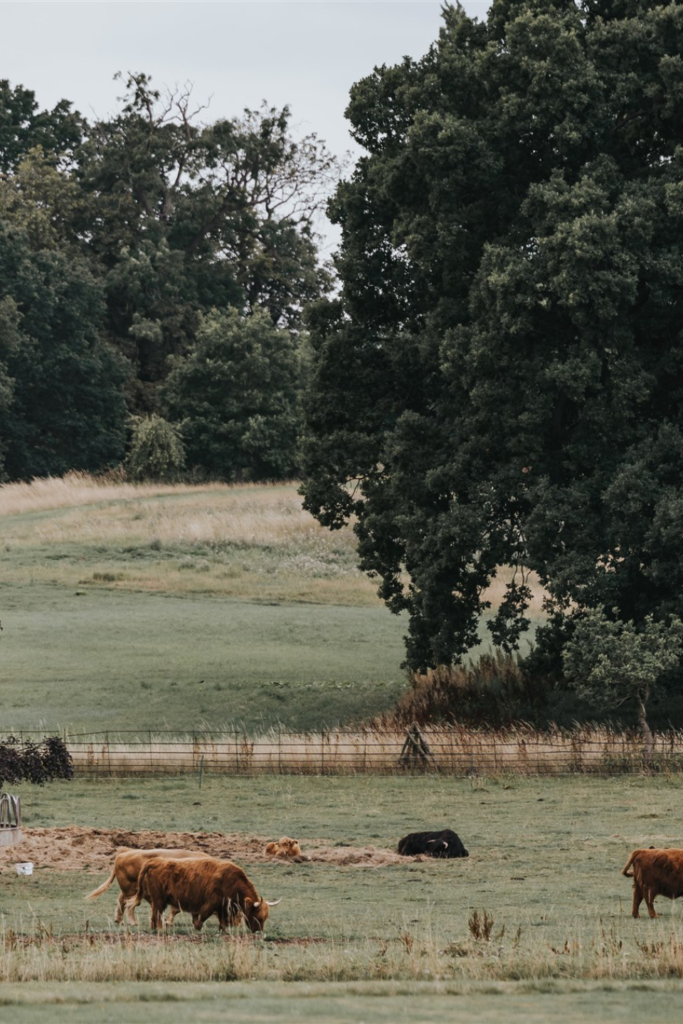
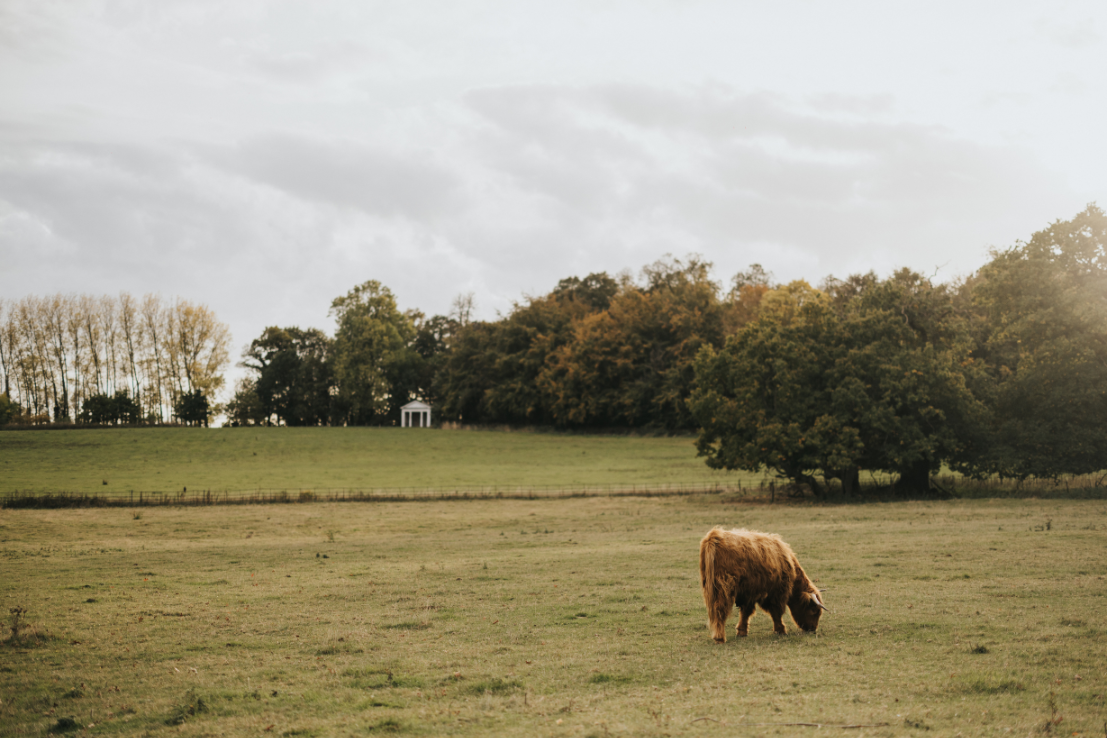
Today, the Norwood Park estate still holds roots to its heritage as a working farm. With our variety of livestock including Highland Cows, Gloucestershire Old Spots Pigs and sheep, which freely roam the fields.
When John Sutton acquired the lease of the Archbishop of York’s deer park in 1763 he not only chose a fresh site for his new house but also set about re-landscaping the park.
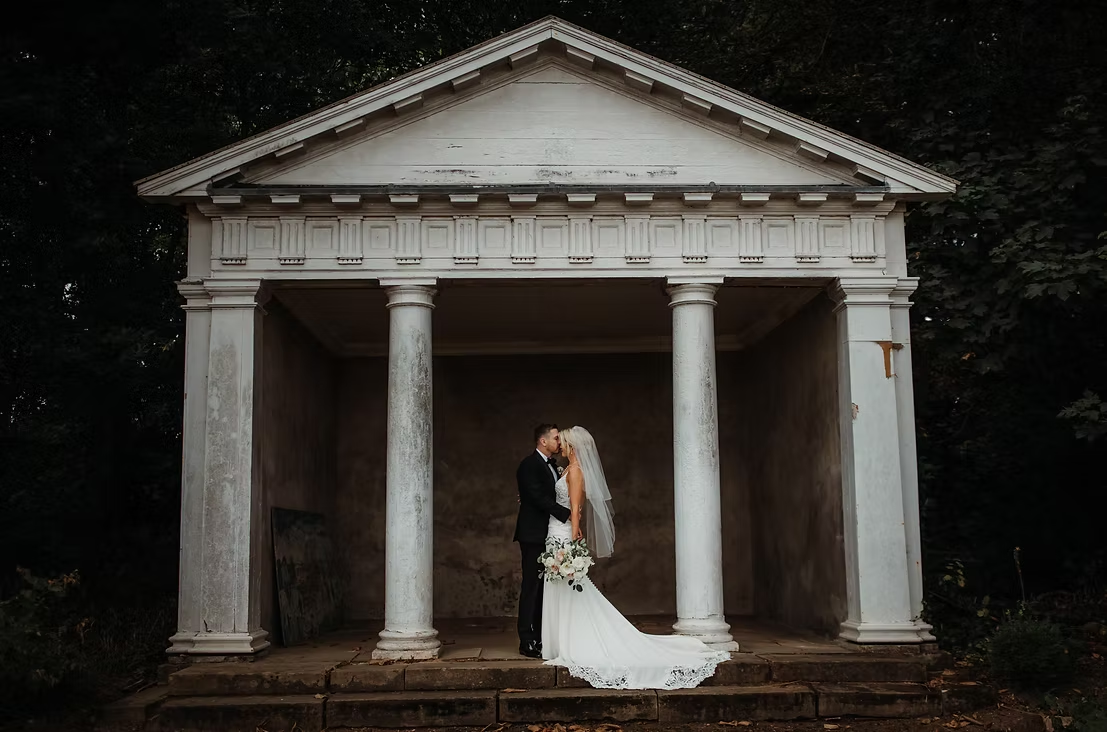
As part of his new plans, he built an open-fronted “eye-catcher” in the form of a Greek temple on the bare hill rising in a gentle ascent to the South West. The route to the Temple is via the equally historic Lime Avenue and then for a stretch up the gravel path atop the deer park embankment and thence via the sinuous path referred to by Mrs Delaney who stayed at John Sutton’s new house on her way to visit The Duchess of Portland at Welbeck.
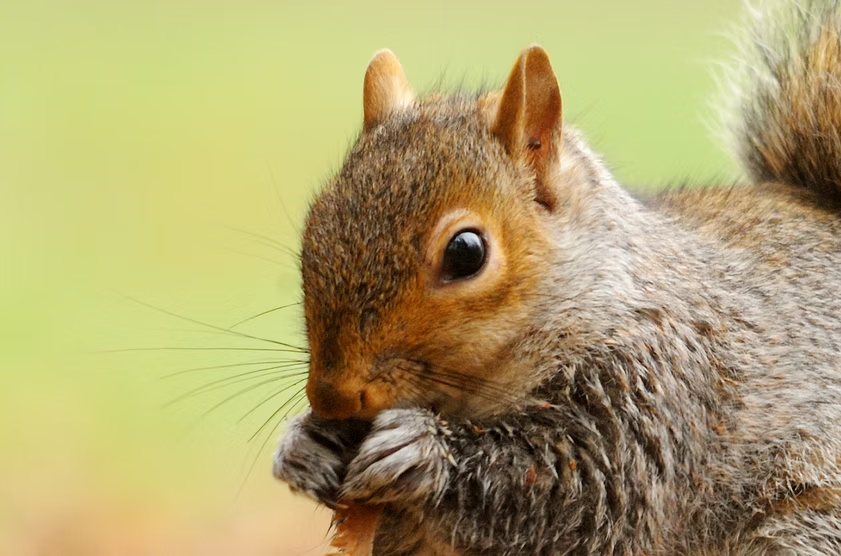
Being in the heart of the countryside, Norwood Park is the perfect location for wildlife to call home, from the wild deer still roaming the Estate to the pheasants nesting in the hedgerows, Norwood Park is surrounded by nature.
Fruit growing began at Norwood Park over 100 years ago in 1910 when John R. Starkey (MP for Newark) planted a Bramley Apple orchard.
The Starkey’s Bramley Apple trees are unique and have a very important heritage. The Original Bramley Tree in Southwell is a legend. Still alive and bearing fruit at over 200 years old, it grew miraculously out of a pip planted by Mary Anne Brailsford in 1809.

Wildlife

Front Lawn

Seasonal Blooms

The Gardens

Patio

100 Acres

Wildlife

Seasonal Blooms

100 Acres

The Gardens

Front Lawn

Patio
Whether you’re planning a wedding, hosting an event, or arranging a stay, our team is here to help you create something truly unforgettable.
Simply enter your name and email below to register your interest, and we’ll send our Cultural Brochure straight to your inbox. If you have any questions, please do not hesitate to get in touch.
Simply enter your name and email below to register your interest, and we’ll send our Intimate Brochure straight to your inbox. If you have any questions, please do not hesitate to get in touch.
Simply enter your name and email below to register your interest, and we’ll send our Elopement Brochure straight to your inbox. If you have any questions, please do not hesitate to get in touch.